Newmark Associates
Demystifying Commercial Property Zoning in New Jersey: What CRE Investors and Developers Must Know
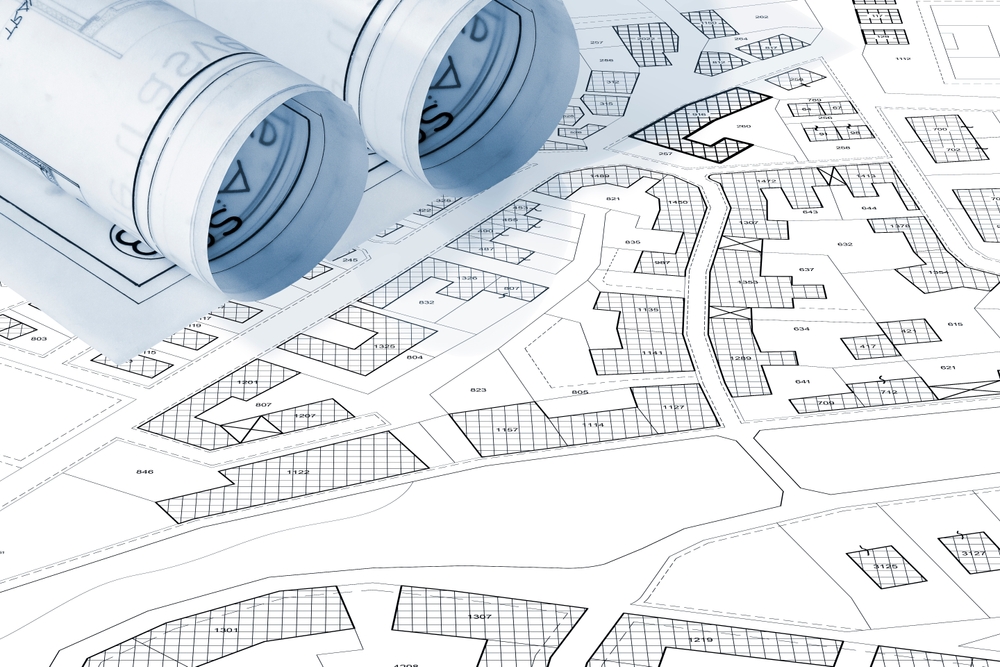
In New Jersey, commercial real estate success often hinges on zoning. Whether you’re purchasing an office building, repurposing industrial land, or developing a retail center, zoning laws determine what’s possible—and what isn’t.
Yet too often, investors and developers overlook zoning until it’s too late, facing delays, denials, or costly pivots. At Newmark Associates, we’ve spent decades helping clients navigate zoning regulations and land use strategy across the Garden State. Here’s what you need to know before your next move.
What Is Zoning—and Why Does It Matter in CRE?
Zoning refers to municipal regulations that govern how properties can be used, what structures can be built, and what types of businesses are permitted in each area.
In commercial real estate, zoning impacts:
- Whether you can operate a business on the site
- Building height and square footage restrictions
- Parking requirements
- Setbacks, easements, and environmental considerations
- Potential for mixed-use or redevelopment
A great location means nothing if you can’t legally execute your vision.
Common Commercial Zoning Classifications in New Jersey
Zoning codes vary by municipality, but most NJ towns follow similar commercial zoning classes:
- C-1 / C-2 (Neighborhood/General Commercial): Retail, restaurants, offices
- O (Office): Business/professional offices, some medical
- I (Industrial): Warehousing, manufacturing, logistics
- MU (Mixed Use): Residential + commercial blend
- B (Business): Broader allowances, sometimes includes light industrial
But don’t assume two towns interpret “C-2” the same way. Each local zoning board has its own nuances—and those differences matter.
Zoning Challenges Unique to New Jersey
New Jersey presents specific hurdles investors should prepare for:
- Home Rule Complexity: With 564 municipalities, NJ has one of the most fragmented zoning landscapes in the U.S. What works in Union County may be blocked in Somerset.
- Historic Site Restrictions: Certain areas (especially in Essex and Bergen counties) fall under historic preservation overlays. That can limit exterior renovations, signage, or even parking lot changes.
- Environmental Constraints: Wetlands, protected lands, and brownfield redevelopment zones may add layers of permitting and impact your timeline.
- Downzoning Risks: Some towns reclassify commercial corridors into lower-intensity uses, making grandfathered properties harder to redevelop without variances.
- Conditional Approvals: Even permitted uses may come with conditions, requiring public hearings, traffic studies, or community board approvals.
How Newmark Associates Helps Navigate NJ Zoning
We don’t just list properties—we decode zoning laws and unlock paths to feasibility. Our team partners with attorneys, planners, and engineers to assess:
- Current zoning classification and overlays
- Permitted uses vs conditional or prohibited uses
- Variance or use permit likelihood
- Highest and best use analysis
- Timeline impact of regulatory hurdles
In one recent case, a client sought to convert a 40,000 sq. ft. flex space into a medical diagnostic center. While the building met technical requirements, local zoning prohibited certain outpatient procedures. We facilitated discussions with the planning board, connected the client with a land-use attorney, and ultimately secured a use variance approval—adding over $1.5M in projected annual revenue.
When Should You Review Zoning?
Immediately. Before you sign a letter of intent. Before you submit an offer.
We recommend conducting a zoning analysis:
- When evaluating new acquisitions
- Before major renovations or tenant build-outs
- Prior to launching a mixed-use or redevelopment project
- When repositioning a property for a new asset class
Zoning can be an asset—or an anchor. Let’s make it the former.
Key Questions to Ask About Any Commercial Property
- What is the current zoning classification?
- Are my intended uses permitted, conditional, or prohibited?
- What variances have been approved or denied in the area?
- Are there overlay zones (historic, floodplain, greenbelt) affecting the property?
- What is the zoning board’s general posture toward redevelopment?
At Newmark, we answer these questions before you waste time or capital.
Local Markets We Serve with Zoning Expertise
Zoning boards across New Jersey are unpredictable—but our team is not. We have in-depth knowledge of:
- Morris County: Especially Parsippany, Morristown, and Florham Park
- Essex County: With a focus on adaptive reuse in Montclair and West Orange
- Union & Middlesex Counties: Industrial-to-medical transitions and corporate campuses
- Somerset County: High-growth areas like Bridgewater and Somerville
- Bergen County: High-density restrictions, mixed-use potential
Our relationships with townships and planning boards help flag red tape before it causes delays.
Ready to Assess the Zoning Risks—and Opportunities?
Whether you’re acquiring, redeveloping, or leasing, understanding commercial property zoning in New Jersey is non-negotiable. Partner with a team who knows the landscape and how to move through it with clarity and confidence.
Contact Us today to schedule a zoning consultation. We’ll evaluate your goals, the current codes, and the potential to maximize value—legally and strategically.